Tourism · Destinations · International Markets
Tourism Strategy & Destination Development
Identity · Markets · Competitiveness · Positioning
Tourism development is not simply promotion. It requires destination identity, defined markets, competitiveness, infrastructure, a credible experience and a position held over the long term.
Promotion answers a question that strategy has to ask first.
Promotion can raise awareness of a place. It cannot decide what that place is, who it is for, or whether it can serve the demand it attracts. Those are strategic questions, and they precede every campaign.
Regional tourism policy practice within the Region of Western Greece — strategy, product structuring, promotion and coordination with sectoral bodies — made the distinction concrete: promotional instruments perform only where a destination strategy already exists to give them direction.
Building the thing that is being promoted.
Product structuring
Turning dispersed attractions into coherent, bookable propositions with a clear reason to exist.
Infrastructure & access
Connectivity, mobility and capacity — the conditions that decide whether demand can be served at all.
Governance
The public and sectoral structures that carry a destination strategy after the launch moment passes.
Quality & standards
Consistency across the visitor journey, which is what converts a good season into a reputation.
Position is a choice, and choices exclude.
- 01
Identity before message
A destination is positioned on what it genuinely is; communication follows the substance rather than substituting for it.
- 02
Comparative reading
Positioning is relative — it only means something against the alternatives a traveller is weighing.
- 03
Segment logic
Choosing which markets and motivations a destination is designed for, and accepting the ones it is not.
- 04
Long horizon
Positioning is held over years; it is diluted every time it is redefined for a single campaign.
A destination sits inside a regional economy.
Tourism policy that is designed in isolation from regional development tends to produce visibility without capacity. Read together, tourism becomes a driver of infrastructure priorities, employment and the external position of a territory — the argument developed in Regional Development & Territorial Strategy, and financed through the instruments described in European Programmes.
Demand is external before it is local.
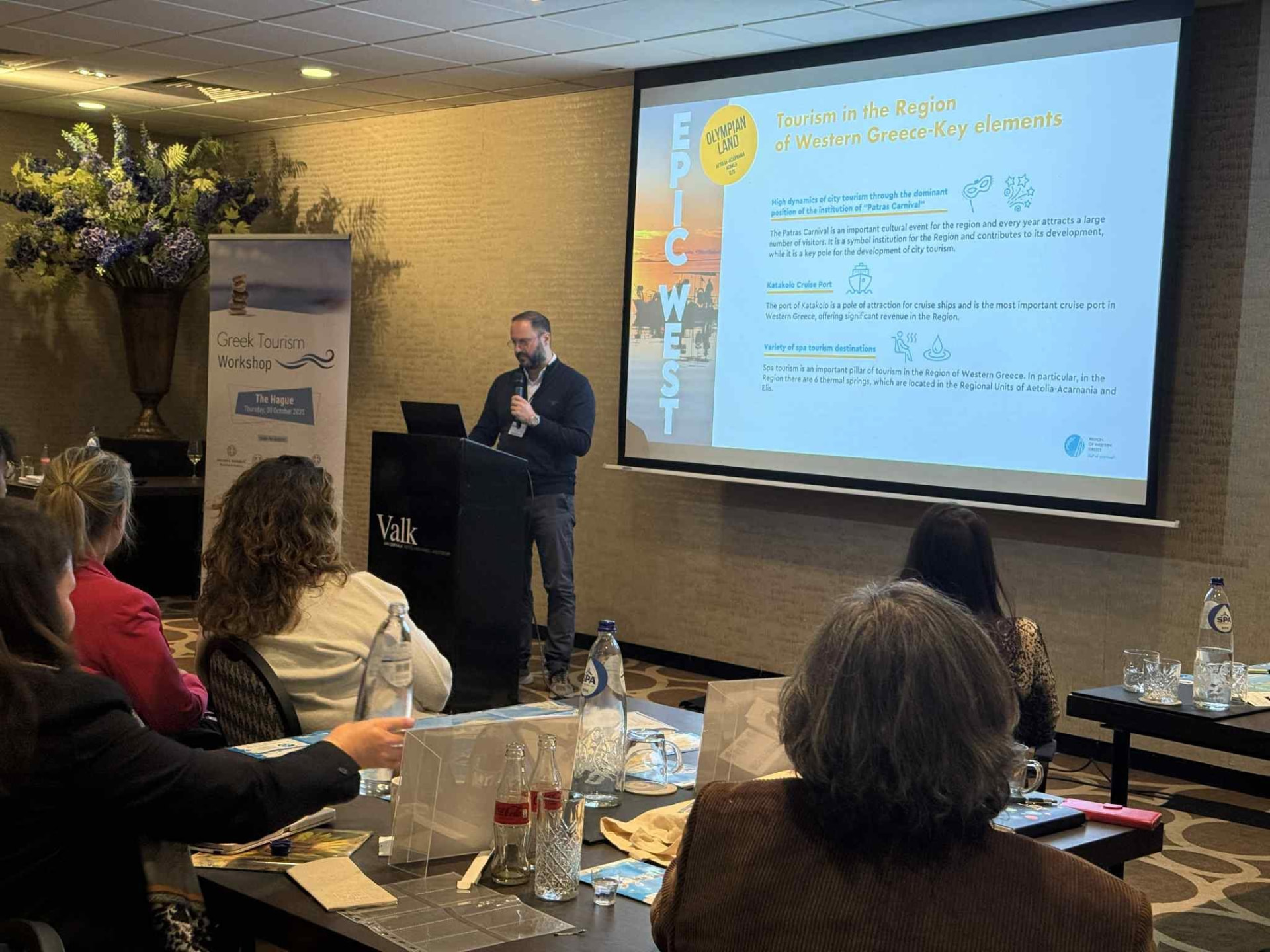
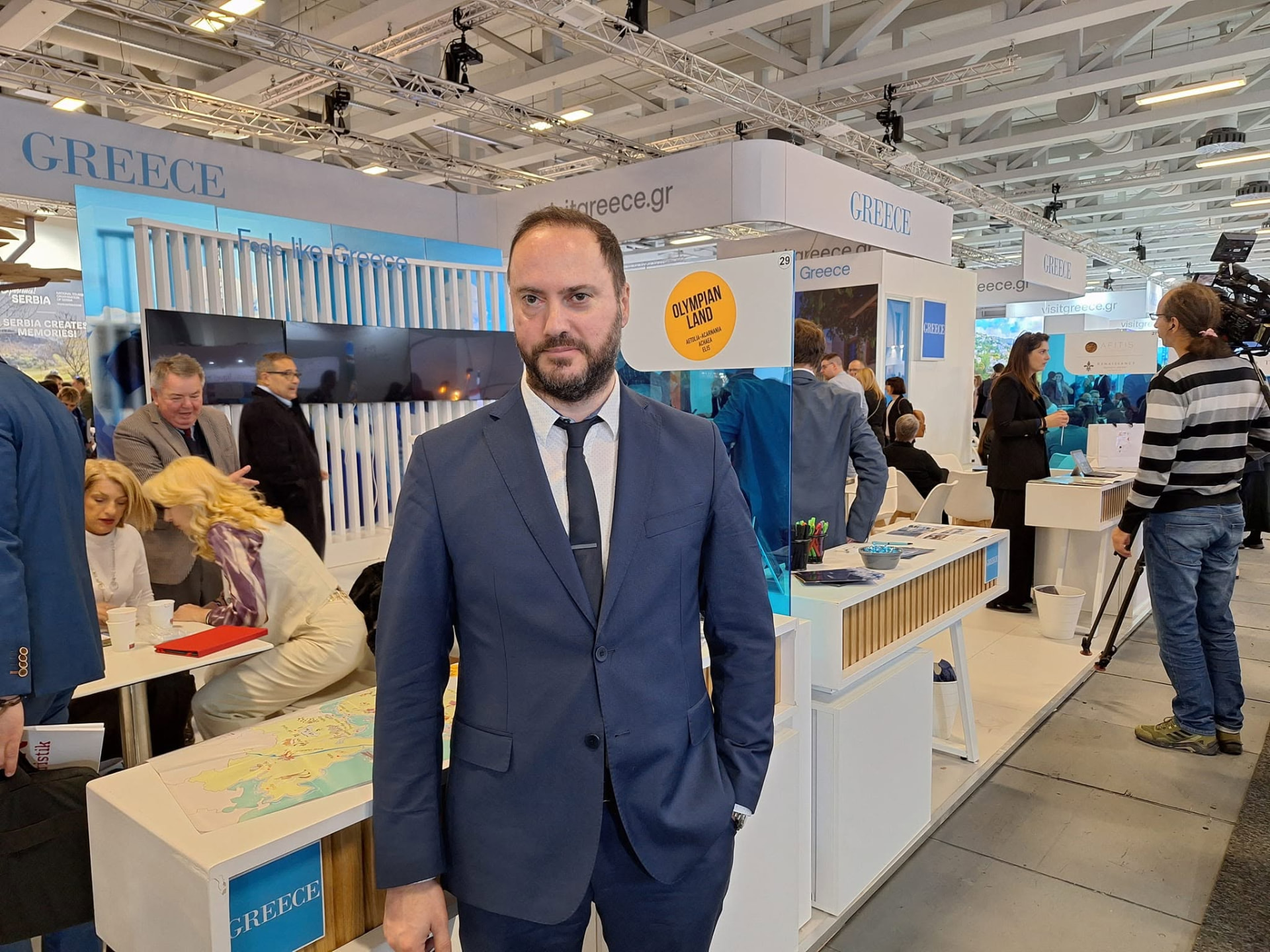
International market work is where a destination proposition meets judgement: trade workshops, exhibitions, meetings with operators and cooperation with tourism organisations. Presenting Western Greece abroad — including at the Greek Tourism Workshop in The Hague and through national destination promotion under the Visit Greece framework — is a test of clarity as much as of reach.
What the visitor actually takes away.
The value of a destination is realised in experience — in culture, landscape, food, hospitality and the coherence between them. Experience is also the mechanism through which local value is retained rather than exported, and the reason a visitor becomes an advocate rather than a statistic.
Durability is a design decision.
- 01
Seasonality
Extending the season is a structural question of product, access and markets — not a promotional one.
- 02
Diversification
Multiple motivations to visit reduce exposure to a single market, channel or season.
- 03
Carrying capacity
Growth that outruns infrastructure and community tolerance erodes the asset it depends on.
- 04
Competitiveness
Value for the visitor and value retained locally, held together rather than traded against each other.
Where this work has been tested.
Regional tourism promotion policy in Greece, examined through the case of the Region of Western Greece, was the subject of a paper presented at TOURMAN 2019 with Margarita Komninou — documented in Publications. The wider research frame is set out in Research & Academic Work.